


What the world’s talking about—today: a complete guide to Kenya’s most famous wildlife landscape.
Quick snapshot
Location: Narok County, southwestern Kenya, contiguous with Tanzania’s Serengeti.
Size: ~1,510 km² (about 580 sq mi).
Why it matters: World-class wildlife, home to the Big Five, and the northern stage of the Great Wildebeest Migration — one of nature’s greatest spectacles.
A short history and name
“Maasai Mara” (often spelled Masai Mara) is named after the Maasai people who live in the area and the local Maa word “mara” meaning “spotted” — a reference to the dotted trees that break the savannah horizon. The reserve was formally established in the early 1960s and has since become one of Africa’s most famous wildlife areas.
Landscape & climate
The Mara is rolling savannah and riverine forest cut by rivers such as the Mara and Talek. Altitude ranges roughly 1,500–2,170 meters (4,920–7,120 ft), giving warm days and cool nights. Rainfall is seasonal — long rains (March–May) and short rains (October–December) — so conditions and wildlife movements depend strongly on local rains.
Wildlife — what you’ll see
Maasai Mara supports astonishing wildlife density and diversity:
The Big Five: lions, elephants, buffalo, leopards, and black rhino (Mara has an important black rhino population).
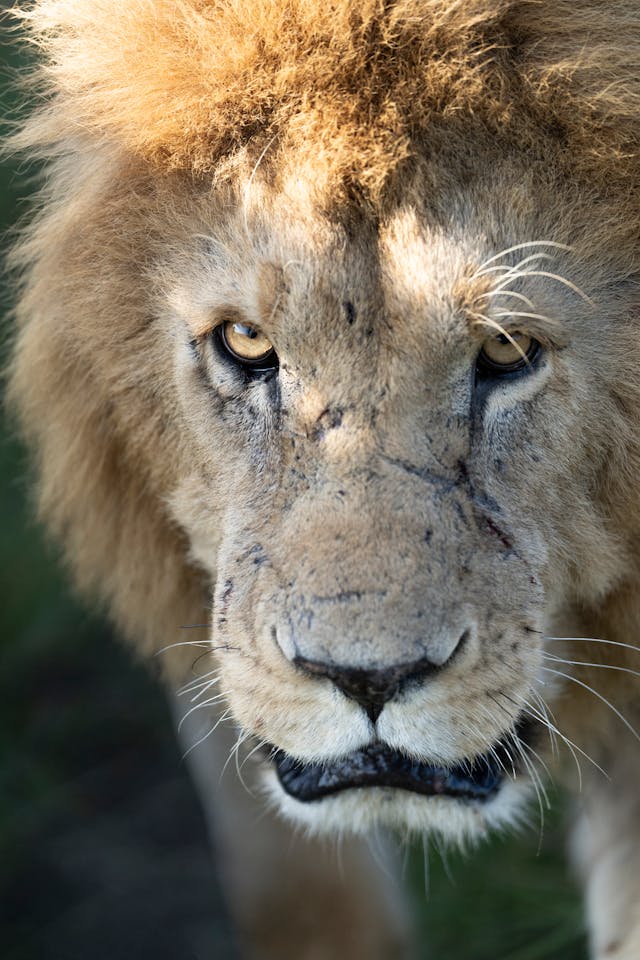
Predators: high sightings of lions, cheetahs, and leopards; the Mara is famous for big-cat viewing.
Ungulates & plains animals: zebras, topi, gazelles, eland, hartebeest and huge herds of wildebeest during migration.
Birdlife: hundreds of species, including raptors and migrants.
Because the reserve is contiguous with the Serengeti, animals roam freely across the ecosystem and concentrations vary by season.
The Great Wildebeest Migration
The Mara is the northern theatre of the Serengeti–Mara migration — roughly 1–1.5 million wildebeest plus hundreds of thousands of zebras and gazelles. Herds follow rains and pasture, producing dramatic river crossings (Mara River) and intense predator-prey scenes. For many visitors, witnessing the crossing is the highlight of a Kenya trip. Timing varies year-to-year, but the peak months in the Mara are usually July–October.
Conservancies, communities & the Maasai
The Greater Mara includes the official National Reserve and a network of privately-run conservancies on Maasai-owned land. Conservancies emerged to:
Provide income to Maasai landowners via land leases and tourism partnerships.
Allow controlled, tourism-friendly land use while keeping areas unfenced for animal movement.
Finance local services (schools, clinics), and create jobs (guiding, lodge staff).
Conservancies also enable activities not allowed in the reserve (night drives, bush walks) and are central to recent community-led conservation models. However, balancing development, grazing rights, and wildlife corridors remains an ongoing challenge.
Conservation issues & recent developments
Poaching & habitat pressure: Like many African protected areas, the Mara faces poaching pressure, human-wildlife conflict, and the pressure of expanding tourism infrastructure.
Development controversies: There are ongoing debates and legal actions over new high-end lodges and whether they block migration corridors. (For example, a recent high-profile case involving the opening of a luxury lodge and concerns about migration corridors attracted legal attention in 2025.)
Best time to visit
July–October: Best for the migration and river crossings (high season). Expect crowds and higher prices.
January–February: Dry, warm; calving season in parts of the ecosystem — predators are active; good for photographic action with fewer crowds.
March–May & November–December (rainy seasons): Lower rates, greener scenery, many lodges closed for short periods; some roads may be slippery or impassable.
How to get there
By air: Short regional flights from Nairobi (Wilson Airport) to many small airstrips inside or near the Mara (45–60 minutes). Most lodges include transfers.
By road: 4–6 hour drive from Nairobi on a mix of tarmac and gravel; scenic but longer. Many visitors prefer the short flight to maximize game time.
Safari activities & experiences
Game drives: Morning and late-afternoon drives are staples for predator action and cool light for photos.
Hot-air balloon safaris: Sunrise balloon flights over the Mara followed by a champagne breakfast. Highly photogenic and popular.
Bush walks & cultural visits: Conservancies often support guided walks and Maasai village visits for cultural exchange.
Night drives: Available in some conservancies (not inside the main reserve), offering a chance to see nocturnal animals.
Accommodation — types & tips
Luxury lodges & tented camps: Five-star lodges to exclusive tented camps (often with plunge pools and full services).
Mid-range camps: Comfortable canvas tents or cottages with en-suite facilities.
Affordable camps & community-run options: Budget-friendly camps and community-run eco-lodges exist, especially outside peak season.
Tip: Book well in advance for July–October. Consider a conservancy camp for private game drives and bush walks.
Practical travel tips
Permits & park fees: Expect entrance fees to the reserve and additional conservancy fees for private areas. Check current KWS (Kenya Wildlife Service) or conservancy sites for exact rates.
Health & safety: Yellow fever vaccination may be required for some travelers depending on origin; malaria prophylaxis is commonly recommended. Bring sunscreen, a hat, and warm layers for early mornings.
What to pack: Neutral-colored clothing, binoculars, a telephoto lens (200–400mm ideal), insect repellent, and rechargeable batteries/power bank.
Respect local culture: Ask permission before photographing people. Many Maasai appreciate respectful cultural exchanges and community tourism can be mutually beneficial.
Costs & budgeting (very approximate)
Day safari (shared vehicle) + park fees: Can vary widely — low to mid-range operators offer day packages; consider that entrance and conservancy fees are charged per person per day and can add up.
Lodges & camps: From budget tented camps to ultra-luxury lodges; nightly rates vary from modest (lower hundreds USD) to several thousand USD per person in peak season.
Sample 3-day itinerary
Day 1: Fly/drive into the Mara, afternoon game drive; sundowner.
Day 2: Early morning game drive, midday rest; afternoon or evening game drive; optional cultural visit.
Day 3: Sunrise balloon safari (optional) + breakfast, morning game drive, return to Nairobi.
(Adjust length to include neighboring conservancies or the Serengeti if crossing into Tanzania.)
Photography & storytelling tips for journalists
Story hooks: migration, human-wildlife coexistence, conservancy models (community benefit-sharing), women’s leadership in conservancies, effects of climate variability on migration timing. Shoot at golden hours: sunrise & sunset for dramatic light.
Tell the human side: interview Maasai landowners, guides, conservancy managers, and conservation NGOs for balanced perspectives.
Responsible & sustainable travel — how to make an impact
Prefer operators and lodges that: pay fair land-lease fees, hire locally, invest in community projects, and practice low-impact tourism.
Support conservancy-run enterprises and community tourism initiatives to ensure benefits flow to local people.
Risks & recent alerts
Severe weather (heavy rains/flooding) can disrupt travel and cause evacuations — always check local weather and lodge advisories. There have been past incidents of extreme rains temporarily affecting operations in the Mara and surrounding regions.
Final word — why Maasai Mara still matters
The Maasai Mara remains a global symbol of wild Africa: dramatic predator-prey dynamics, enormous migrations, and an evolving model of community-conservancy partnerships. It’s a place where conservation, culture, tourism and development intersect — and where responsible travel and reporting can help protect both people and wildlife for generations to come.